ISSN Number
ISSN 2771-019X
-

-

Impact Factor
1.2*

ISSN Number
ISSN 2771-019X
Impact Factor
1.2*
Family Physician and Public Health Consultant, Bengaluru 560022, India.
Family Physician and Public Health Consultant, Bengaluru 560022, India.
Tel: 919801631222
Email: ksuresh.20@gmail.com
Received : Aug 12, 2025,
Accepted : Aug 27, 2025
Published : Sep 03, 2025,
Archived : www.jclinmedcasereports.com
The rainy season offers a refreshing break from the scorching heat summer, but it also brings a rise in illnesses due to damp conditions, stagnant water, and poor hygiene. These factors create the deal breeding grounds for bacteria, viruses, and mosquitoes. Viral fever is a common health condition in India, especially during the monsoon and seasonal transition periods. It is caused by various viral infections like Common cold, Respiratory Syncytial (RSV), Influenzas A & B, Dengue, Chikungunya, Hepatitis A viruses and a few bacteria like Salmonella (Typhoid), Streptococci and staphylococci, and parasites like Malaria, Leptospirosis, etc., that spread through air, water, or physical contact. These pathogens affect the immune system and result in an elevated body temperature along with other symptoms. Viral fever is usually not serious and resolved within a few days, but it is important to monitor the condition and treat it early to avoid complications. It affects individuals of all age groups & is more common during July to October when the climate is warm and humid, providing an ideal environment for pathogens and their transmitted like mosquitoes and flies to spread.
In Bengaluru city an average adult suffers from URTIs 2-4 and Children: ~6-8. The symptoms of viral fever in India are typically mild to moderate and can last from two to seven days. Some of the most common signs include- High body temperature (above 99°F or 37.2°C), body aches and joint pain, headache, weakness or fatigue, sore throat, runny or stuffy nose, cough (dry or mild), sweating and chills, nausea or vomiting in some cases and mild diarrhea or digestive discomfort. When one child gets infected, others in the home and schools also catch it. “Pre-existing lung problems may require hospitalization. In 2025 year, it is predominantly common flu (influenza) RSV and hMPV due to seasonal changes. RSV is more severe in young children, while hMPV causes milder symptoms but can still pose a risk to vulnerable groups.
This article addresses treatment practices based on personal & family physicians and hospital practices, for seasonal fever cases. Investigations are hardly required but asked by tertiary care hospitals and specialist practitioners to increase the cost that is avoidable.
Keywords: Monsoon and seasonal transition periods; Influenza (FLU); Common cold.
Abbreviations: URTI: Upper Respiratory Tract Infections; LRTI: Lower Respiratory Tract Infections; RSV: Respiratory Syncytial Virus; hMPV: Human Metapneumovirus.
Copy right Statement: Content published in the journal follows Creative Commons Attribution License (http://creativecommons.org/licenses/by/4.0). © Suresh K (2025).
Journal: The Journal of Clinical and Medical Images, Case Reports (JCMICR) is a fantastic resource for keeping up with the latest clinical advancements and for publishing case reports and clinical images related to a variety of medical illnesses.
The rainy season offers a refreshing break from the scorching heat summer, but it also brings a rise in illnesses due to damp conditions, stagnant water, and poor hygiene. These factors create the deal breeding grounds for bacteria, viruses, and mosquitoes [1]. Viral Respiratory Infections (VRIs) cause seasonal epidemics and pandemics, with their transmission influenced by climate conditions. Despite the risks posed by novel VRIs, the relationships between climate change and VRIs remain poorly understood [4].
Viral fever is a common health condition in India, especially during the monsoon and seasonal transition periods. It is caused by various viral infections that spread through air, water, or physical contact. These viruses affect the immune system and result in an elevated body temperature along with other symptoms. Viral fever is usually not serious and resolved within a few days, but it is important to monitor the condition and treat it early to avoid complications. It affects individuals of all age groups & is more common during July to October when the climate is warm and humid, providing an ideal environment for viruses and mosquitoes to spread. It is important for families not to get exploited, by the service providers asking for investigations.
In Bengaluru city an average adult suffers from URTIs 2-4 and Children: ~6-8. The symptoms of viral fever in India are typically mild to moderate and can last from two to seven days. Some of the most common signs include- High body temperature (above 99°F or 37.2°C), body aches and joint pain, headache, weakness or fatigue, sore throat, runny or stuffy nose, cough (dry or mild), sweating and chills, nausea or vomiting in some cases and mild diarrhea or digestive discomfort [5]. When one child gets infected, others in the home and schools also catch it. “Pre-existing lung problems may require hospitalization [2].
This author and most family physicians, Pediatrician, Internal Medicine specialists and hospitals small & big or tertiary care hospitals Bengaluru city are witnessing a seasonal surge in later half of July 2025. Overall respiratory tract infections have become headache for the people due to rain, sun, and cold for the last 4-6 weeks second time in 2025. January & May 2025 witnessed outbreaks with more than 500 confirmed cases of Dengue following heavy rains [2].
Last year (2024) It was dengue, flu-like illness along with upper and lower respiratory infections for almost a month in June-July that had caused alarm among the public and health authorities in the city. In 2023, influenza was low, and RSV was slightly higher. A few rapid tests done in tertiary care hospitals point to respiratory infections with influenza strains & human (hMPV) metapneumovirus more prevalent than RSV this year.
This article addresses treatment practices based on personal and some family physicians and hospital practices, keeping mind the cost factors and needs of investigations.
Early morning urgency call
Adhoksha an early 30 years heavily built young professional’s mother called in morning around 0730, to her husband and my friend Ravi on Tuesday 29 July, when we were in our Jym doing daily exercises complaining of profuse sweating. We rushed to the second floor flat and found him sitting & disturbed. The short story revealed that he had gotten wet while coming home from office 2 consecutive days and felt feverish and heavy headed since previous evening. Since he had mildly feverish had taken a Dolo tablet an hour ago, that was the cause of perspiration. His BP, SPO2 and pulse were all normal and temperature was 100oF. He narrated any time he is indisposed it happens similarly. His definition being indisposed as cold, nasal congestion, throat irritation and cough that sometime disturbed his sleep. In my presence he had a bout of vomiting of whatever he had eaten overnight. As there were no warning signs for cardiac problems, he was prescribed Tab. Recofast plus {a combination of Chlorpheniramine Maleate (2 mg) + Paracetamol (500 mg) + Phenylephrine (10 mg) every 8 hours & steam inhalation every 4 hrs. He had good sleep by evening and felt better with no fever or headache & minimal nasal congestion. He was asked to reduce the tablets twice a day for next 2 days, only one tablet at night for another 2 days. He was doing well that weekend.
Ayan viral fever
On the same day (29 July) by evening 4 O’clock I had another boy aged about 12 years with complaints of fever, rigors and headache. On examination temperature was 1010F, Pulse was 100/min and SPO2 was 97%. On auscultation Rhonchi were heard at the base of both lungs suggesting LRI. He was prescribed Tab. Pentids 400 mg (salt composition- penicillin g / benzylpenicillin (400000iu) an antibiotic used to treat a variety of bacterial infections, twice a day, Recofast plus {a combination of Chlorpheniramine Maleate (2 mg) + Paracetamol (500 mg) + Phenylephrine (10 mg) every 8 hours & steam inhalation every 6 hrs. This boy also recovered over next 4 days.
Bharat (Father of Ayan)
On 2 July Mr. Bharat came with similar symptoms and was treated only with Recofast plus {a combination of Chlorpheniramine Maleate (2 mg) + Paracetamol (500 mg) + Phenylephrine (10 mg) every 8 hours & steam inhalation every 6 hrs. He recovered in 3 days. This case suggested household transmission from son to father who shared bed.
Two other cases
Two other similar cases in our apartment complex, one went to a tertiary care hospital and spent INR 5000-10000 for consultation, virology panel test and treatment like what I had given. Flu & COVID Fever Panel (Flu & COVID Fever Panel package is designed to detect flu caused by both influenza A and B, as well as specific strains like H1N1, H3N2, and COVID-19) test is commonly prescribed in tertiary care private facilities. Only difference was that they were told that the virus was RSV for one and human metapneumovirus (hMVP) and Influenza (H3N2) viruses combine for another. The course of illness and recovery were also similar.
Respiratory infections & weather changes
Frequently due to changing weather and other reasons, Bengaluru sees outbreaks of Respiratory infection cases with symptoms of fever, cough, sore throat, cold and vomiting especially in children. For the past few weeks, across Karnataka, including Bengaluru it rained for one week, then it is sunny the next. Sudden rains promote cold, coughs, headaches, fevers & quick spread of infectious diseases among people. Health problems are increasing due to the changing weather, Pneumonia, respiratory problems and viral fever have increased in children and along with children, parents are also facing more upper respiratory infection problems, leading to an increase in the OPD attendance [4].
Diseases that surge during the rainy season: Symptoms & ways to save family
| Examples | Fever patterns | |
|---|---|---|
| Viral | Influenza, RSV, Dengue, hMPV | Sudden onset, Fluctuating |
| Bacterial | Typhoid, Tuberculosis, Leptospirosis Shigellosis, Streprococci, Staphylococci | Persistent, High grade |
| Parasitic | Malaria, Filaria, Giardiasis, Amoebiasis | Intermittent |
| Fungal | Histoplasmosis | Chronic Fever |
| Viral & Bacterial Fever Infections | ||
|---|---|---|
| Features | Viral infections | Bacterial infections |
| Onset | Mild to moderate | High grade fever |
| Duration | Short [2-5 days] | Long [5-15 days] |
| Treatment | Symptomatic | Antibiotics |
Out of every 10 patients with high-grade fever and flu-like symptoms, six to seven patients have viral fever. Apart from viral fever, some are also reporting allergic respiratory disorders such as bronchial asthma and lung and upper respiratory tract infections. For fevers more than a week, or if fever does not reduce within 2 hours after taking an antipyretic (fever-reducing) medication, taking the tests becomes necessary. The report of a plummeting platelet counts diagnoses with dengue and other vector-borne diseases including chikungunya. These reported cases are only a fraction of the actual infections in the city. Some patients are tested in laboratories with a comprehensive fever plan costing between INR 1000-5000 either because they have comorbidities or low immunity or more often conflict of interest, under the garb of scientific diagnostic approach. Testing rationale be viewed with lens of rationale practice [5].
A clinician uses the word fevers or “pyrexia” as a temporary rise in body temperature, usually in response to an infection, inflammatory condition, or immune responses. While normal body temperature ranges from 97°F to 99°F (36.1°C to 37.2°C), and when body temperature rises above 100.4°F (38°C) it is called fever. Recognizing different types of fever is crucial for proper treatment and management. Clinicians differentiate fevers as 1) Acute fever- A fever that begins abruptly and lasts less than seven days. Common Causes include viral infections (influenza, common cold), bacterial infections (strep throat, UTI), gastrointestinal infections, and respiratory infections. 2) Subacute fever- A fever that lasts longer than acute but shorter than a chronic fever, generally between one and two weeks. Its common causes include Infections (bacterial, viral, fungal), autoimmune diseases, and some medications. 3) Recurrent fever- Fever that reappears at intervals after an afebrile period. Common Causes include Malaria, brucellosis periodic fever syndromes, and certain cancers (Hodgkin’s lymphoma). 4) Chronic fever- Fever that persists for more than three weeks. Common Causes are Infections like tuberculosis, HIV, autoimmune diseases, cancers, & inflammatory conditions. 5) Intermittent fever- means fever that comes and goes, with periods of normal temperature in between. Causes of Intermittent Fever include malaria, septicemia, typhoid fever & para typhoid. 6) Remittent fever- A fever in which the temperature fluctuates but does not return to normal [6]. There is a variation, but it stays elevated. A common remittent fever example is typhoid. Other causes are Malaria, sepsis, endocarditis. 7) Hyperpyrexia- Fever above 106°F (41.1°C) is considered a medical emergency. Common Causes are severe infections, heatstroke, brain hemorrhage, drug reactions, malignant hyperthermia 8) Low-Grade fever- Fever between 99.1°F to 100.4°F (37.3°C to 38°C). Common Causes: Viral infections, early stages of some bacterial infections, inflammatory conditions, and post-vaccination reactions. 9) Relapsing fever- A fever that returns after being afebrile. It’s distinct from recurrent in that the afebrile periods are more substantial. Common Causes: Borrelia bacterial infections & tick-borne relapsing fever. 10) Septic fever- Fever caused by a widespread infection in bloodstream. Common Causes Bacterial infection in the bloodstream (sepsis). 11) Drug-Induced fever- A fever caused by an adverse reaction to a medication. Allergic reactions to drugs like antibiotics and anticonvulsants. 12) Idiopathic fever- A Pyrexia of Unknown Origin (PUO); the cause cannot be identified even after extensive diagnostic tests and the diagnosis is by exclusion [6].
Sudden changes in weather, frequent exposure to rain, and contaminated water have contributed to a spike in monsoon-related health issues. Clinical signs and symptoms are similar and overlap & most importantly test results are often not available at the time of consultation. Pediatricians across the city have also flagged a sharp rise in cases of Respiratory Syncytial Virus (RSV), particularly affecting infants under two years of age, over the past 10-20 days. 40-60% of RSV-affected infants, mostly between 2-6 months, required ICU care due to severe symptoms such as excessive coughing, breathlessness, and wheezing. Of every 100 children seen in OPDs, nearly 40% are acute respiratory symptoms linked to RSV. The virus spreads quickly in daycare centers and pre-schools and has an incubation period of around 14 days. However, children over two years tend to exhibit better immunity and typically recover without complications. Hospitals are also recording a growing number of RSV, flu, and acute bronchitis cases among adults aged 22-40, A few senior citizens aged above 60 have also been affected. The rise in viral respiratory infections in both pediatric and adult populations is being attributed to increased humidity, water stagnation, and frequent exposure to cold rain, all of which weaken immune defenses and make individuals susceptible to infections [5].
This trend demands seasonal vaccination against influenza as important, but “at least two weeks before the onset of the season as it takes the vaccine to set in antibodies.” especially for vulnerable groups like older people, especially those immune compromised, with chronic lung disease, chronic kidney disease, and diabetes. They have a higher chance of developing infection and more severe disease like pneumonia or bronchopneumonia, if not vaccinated.
Treatment for viral fever
Most households start the treatment at homes with i) Steam inhalation to help in clearing nasal blockage and easing post-nasal drip cough ii) drinking plenty of warm water & fluids like tea, coffee to stay hydrated iii) made to take adequate rest to allow our body to recover iv) consume light, easy-to-digest food like khichdi, dal rice, and fruits v) use a cold compress on the forehead to bring down high temperature and vi) herbal teas made from ginger, basil, and black pepper may offer relief from sore throat and cough. Most families approach a primary care physician or family doctor if the temperature or headache or both shoot high, or the patient omits.
Family physicians generally treat Viral fevers with over-the-counter medicines that reduce symptoms. However, in cases where there is a secondary bacterial infection (such as throat or lung infection), antibiotics may be prescribed by primary care physicians. The tertiary care hospitals recommend rapid tests to know the virus; however, its value-add is questionable. Here are commonly used medicines and antibiotics in India- i) Paracetamol (500 mg to 650 mg every 6-8 hours to reduce fever and pain ii) Cetirizine for runny nose or allergy symptoms, iii) Ibuprofen for fever and body aches (if not allergic), iv) ORS solution for dehydration & weakness.
If bacterial infection is suspected or confirmed by rapid tests prescribed antibiotics are- i) Azithromycin used for throat or respiratory infections ii) Amoxicillin effective for ear, nose, or sinus infections iii) Cefixime used for more persistent bacterial infections, iv) Doxycycline – sometimes prescribed if there is suspicion of bacterial co-infection like typhus or leptospirosis.
If symptoms persist for a week or worsen, then family doctor initiates testing for dengue, malaria, typhoid, or COVID-19, as these illnesses can initially appear like viral fever. The panels of viral rapid tests cover Influenza viruses, para- Influenza viruses, Respiratory Syncytial virus, Respiratory adenoviruses, Human rhinoviruses and Mycoplasma Pneumoniae. Similarly, Respiratory bacterial infections panel covers H. Influenzas, B. Pertussis & para-pertussis and four varieties of Pneumoniae as shown in the table. For fevers much longer duration Panel 3 consists of Pseudomonas Aeruginosa, Group A Streptococcus & staphylococcus aureus.
The benefits of point-of-care testing: Convenient as testing is done onsite and no need to wait for diagnostic results, ii) Small and intuitive instruments, easy to use by any Healthcare worker, iii) Results are provided during patient appointment, iv) Accelerate treatment decisions for improved patient management & satisfaction, v) Cost is a critical factor in the decision-making.
Fever panel rapid test: A viral marker test is a diagnostic procedure conducted in an accredited laboratory. It is a series of tests that help in identifying viral infections. A viral marker test is a blood test that can help medical practitioners gauge the level of infection in a person’s system. Known as Infectious disease panel, Overnight Fasting required, Sample Type = Blood, Phlebotomist collects samples at Home, Reports are delivered online within 24-48 Hrs.
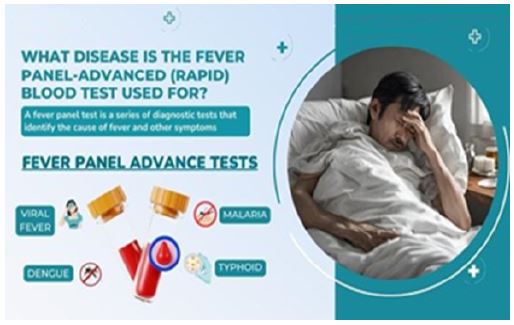
Tests done for i) Dengue - Igg rapid test, ii) Dengue - Igm rapid test, iii) Dengue ns1 antigen rapid
Parasitic and bacterial fever test: Checks plasmodium falciparum, Plasmodium vivax, Typhoid-Igg and Typhoid-Igm.
Cost of point-of-care testing: Each group costs about INR 2000-2500.
Viruses tested
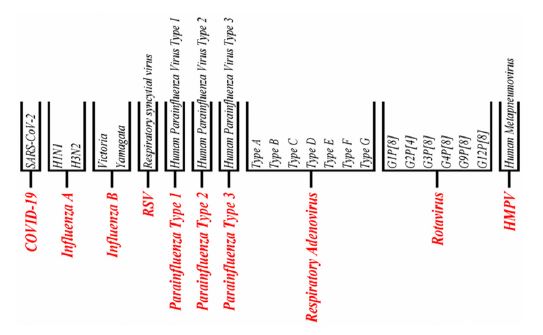
However, tertiary care hospitals insist on comprehensive Fever Panel which combines 50 parameters of vital tests grouped into 5 categories to help detect infections, inflammation, & assess organ function, or point to what is causing persistent or unexplained fever.
Inflammation markers: This section includes two important tests: i) CRP Test (C-Reactive Protein): Measures levels of CRP protein, which quickly rises when there is inflammation or bacterial infection, ii) ESR Test (Erythrocyte Sedimentation Rate): Checks how quickly red blood cells settle at the bottom of a test tube, indicating the degree of inflammation in the body.
Liver function tests: SGPT Test (ALT Test): Checks for liver cell inflammation or damage & SGOT Test (AST Test): Helps identify if there is stress or damage to the liver or muscles.
Kidney function tests: i) Creatinine Test (Serum Creatinine): Measures waste levels filtered by the kidneys, ii) eGFR (Estimated Glomerular Filtration Rate, Optional): Provides an estimate of how well the kidneys are working. These asses stress due to prolonged fever or dehydration.
Urine routine test: A detailed urine routine test checks 17 important parameters - like i) physical features of color, clarity, pH level, and specific gravity, ii) the chemical aspects like protein, glucose, bilirubin, ketones, urobilinogen, nitrite, and leukocyte esterase, iii) microscopic elements, including pus cells, epithelial cells, red blood cells, casts, crystals, & others.
Complete Blood Count (CBC): This comprehensive group includes hemoglobin, red and white blood cells, platelet counts, differential counts, immature cells, and calculated ratios like the Neutrophil Lymphocyte Ratio (NLR). This test offers a clear picture of how immune system responds, presence of anemia, and platelet levels drop, which is critical in infections like dengue.
BIOFIRE® SPOTFIRE® Respiratory/Sore Throat Panel (bioMérieux) is a syndromic multiplex PCR test developed for point-of-care testing. If a patient is experiencing respiratory symptoms, a nasopharyngeal & for pharyngitis, a throat swab can be taken. Testing for flu, RSV, & SARS-CoV-2 with one test provides a full picture and may result in reduced follow-up & improves patient comfort, experience, & convenience.
Fever is a common health disruption condition in India, especially during the monsoon & seasonal transition periods.
It is caused by various viral infections like Common cold, Respiratory Syncytial (RSV), Influenzas A &B, Dengue, Chikungunya, Hepatitis A viruses, bacteria like Salmonella (Typhoid), Streptococci and Staphylococci, & Parasites like Malaria, Leptospirosis.
Treatment is mainly symptomatic in viral fevers and antibiotics for bacterial fevers investigation is recommended if the fever lasts for more than 1 week or fever does not subside <2 hrs. after an antipyretic medicine.
Prevention plays a larger role, key preventive measures include: i) Prevent bites from mosquitoes through repellents, use of insecticide-treated bed nets and screening, ii) Spray mosquito repellants Indoors and Outdoors, iii) Stay indoors during peak mosquito hours, iv) Maintain proper drainage to avoid mosquito breeding, v)Do not walk through standing or contaminated water, vi) Wear arms and leg covers when stepping outside and use protective footwear in heavy rain or cleaning, vii) Practice hygiene and wash feet clean after exposure, viii) Keep rodents out of your home and environment, ix) Eliminate breeding sites such as uncovered water tanks & stranded water, x) Clean & dry before refilling water storage vessels every week.